What mysteries are hiding in your family tree?
A look inside the FHF research process, with Nico Docherty, Project Lead
Starting Out
What is it you look forward to when starting a project?
There's so much to look forward to when we start a new research project. Diving into someone’s family tree is a world of possibilities, and digging up the stories that a client’s film will focus on is one of the most exciting parts of the whole process. But personally I love cracking family mysteries! Most families will have one or two legends that have been passed down the generations by word of mouth. There’s usually more than a kernel of truth in these and it’s always very satisfying to unearth and share hidden documents that confirm the story.
When a family approaches us, how much of their story is usually already known?
Some families know absolutely nothing! Over the years we’ve broken through countless research brick walls, unearthed mystery parents and verified family rumors that at first seemed fantastical. Many of our clients come from families with a patchy or shallow knowledge of their ancestral story, and it’s a real pleasure to fill in the blanks, but even well-documented families will have branches of the family that are under-explored. Bringing overlooked ancestors to the fore is a really enjoyable part of our research.
Do projects ever begin with assumptions that later shift?
Once you start digging into your family tree, there’s no telling what amazing stories might turn up. These can definitely be surprising, but clients are usually drawn to the echoes and similarities that run through their family story. A recent client, for example, was delighted to learn that their great-grandfather, the first in the family to travel to America, was engaged in the same line of work as himself. Another recent project saw a couple from opposite ends of the world discover that their seemingly disconnected ancestors had shared the same values and led very similar lives.
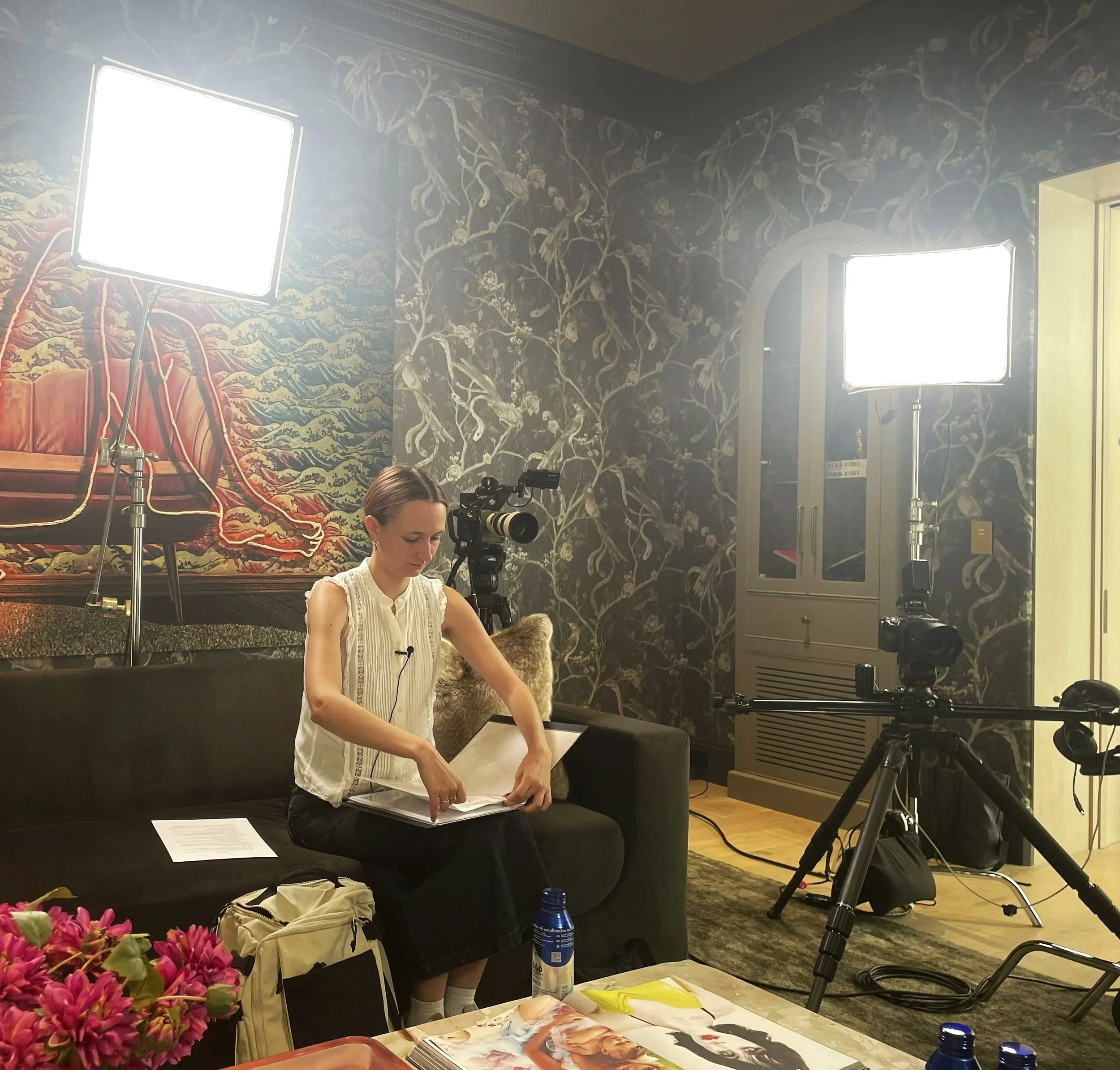
The Client’s Experience
How does the research process work from a client's perspective?
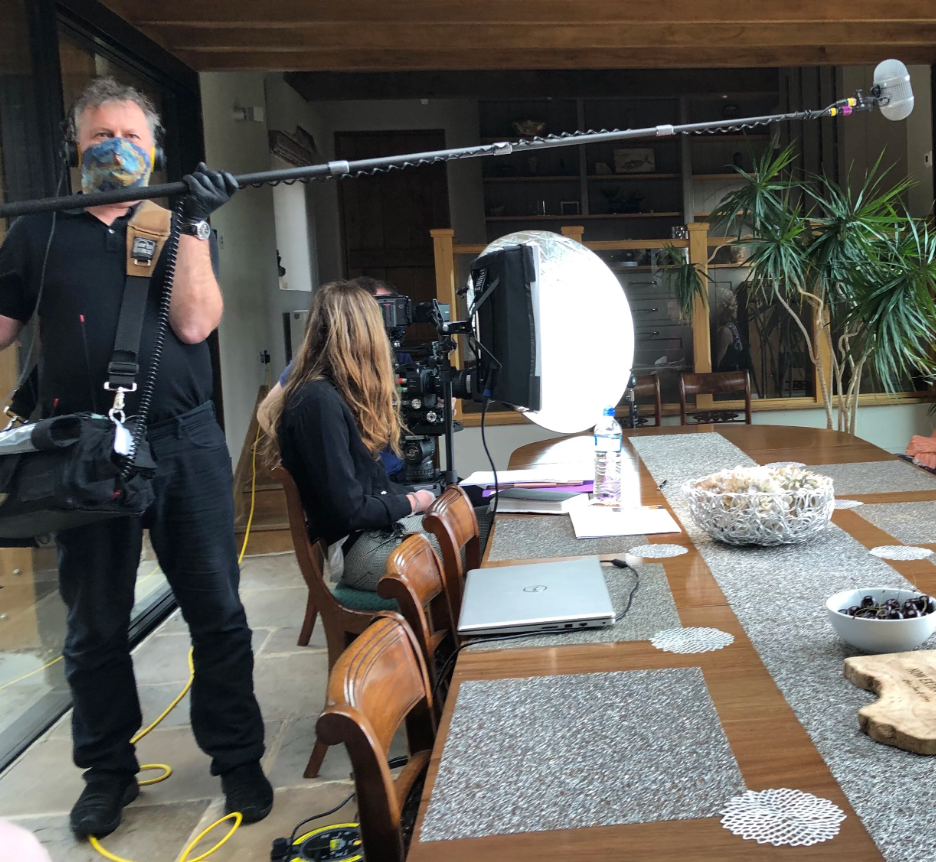
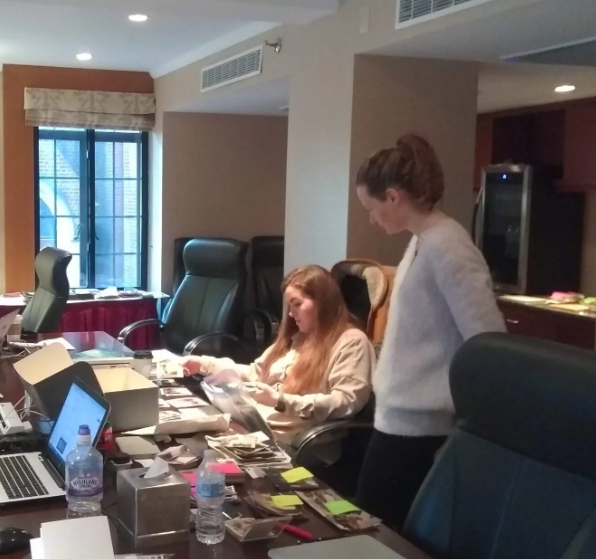
After we’ve had initial conversations with the family, and they’ve told us what they know and what they’d like to discover, our team of researchers will buckle down and spend a few months digging into the client’s ancestry. At the end of that process we will present an outline of our findings to the client and our plan for the structure and content of the film. This is a really exciting moment as it’s our first chance to tease the discoveries that will later feature in the film, but it’s also a moment for the client to provide feedback and guide the project in their own bespoke direction.
Have you made a discovery that altered how a family understands itself?
On a few occasions we’ve been tasked with uncovering mysteries of parentage, which can of course fundamentally shift a person’s view of themselves. In a recent case we were able to reveal the true origins of a client’s orphaned father, which tied the family not to Germany as they had always thought, but to Poland!
Is there a moment when research shifts from fact-finding to something more personal?
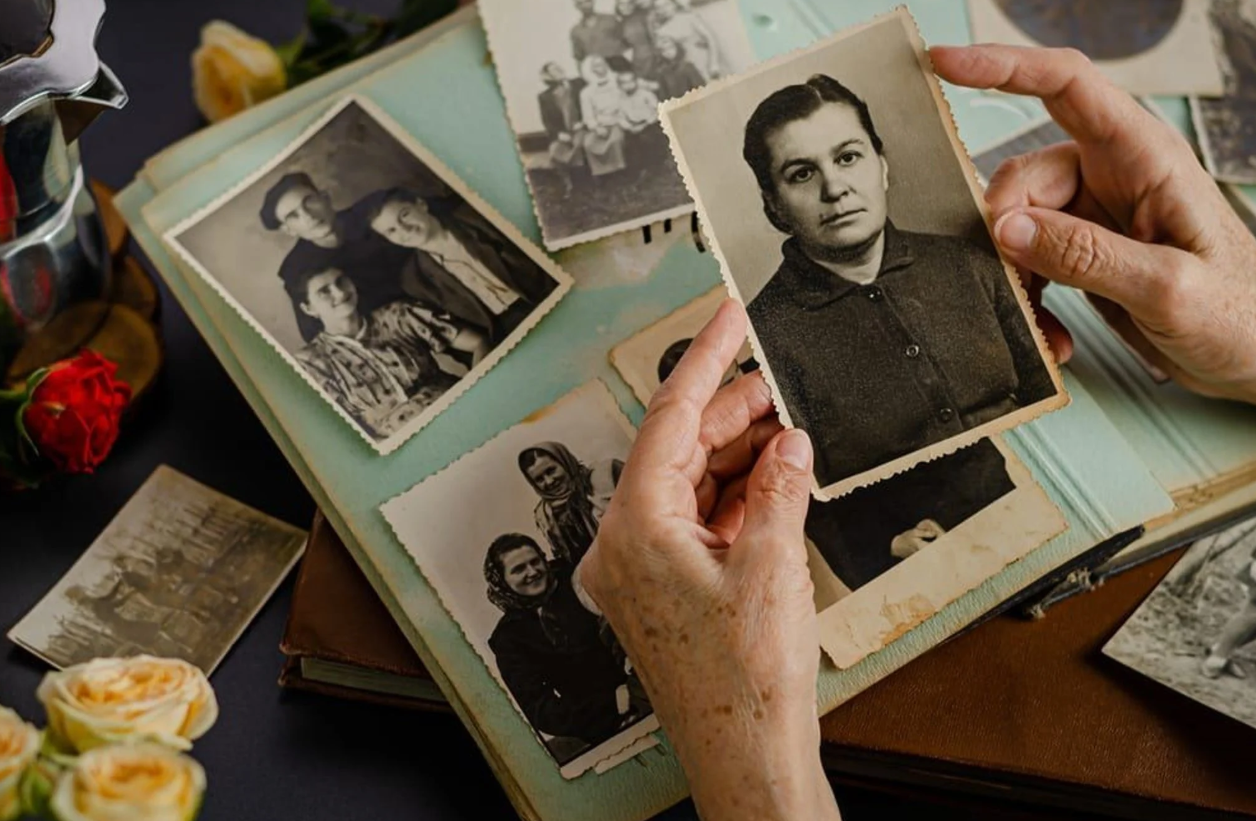
These moments tend to come when the research finishes and we share our findings with the family. Dramatic discoveries are enlightening but it can often be something seemingly quite small, such as an unseen photograph, that really resonates. On a recent trip we showed our client their grandfather’s college diploma and it was the catalyst for an outpouring of sentiment.
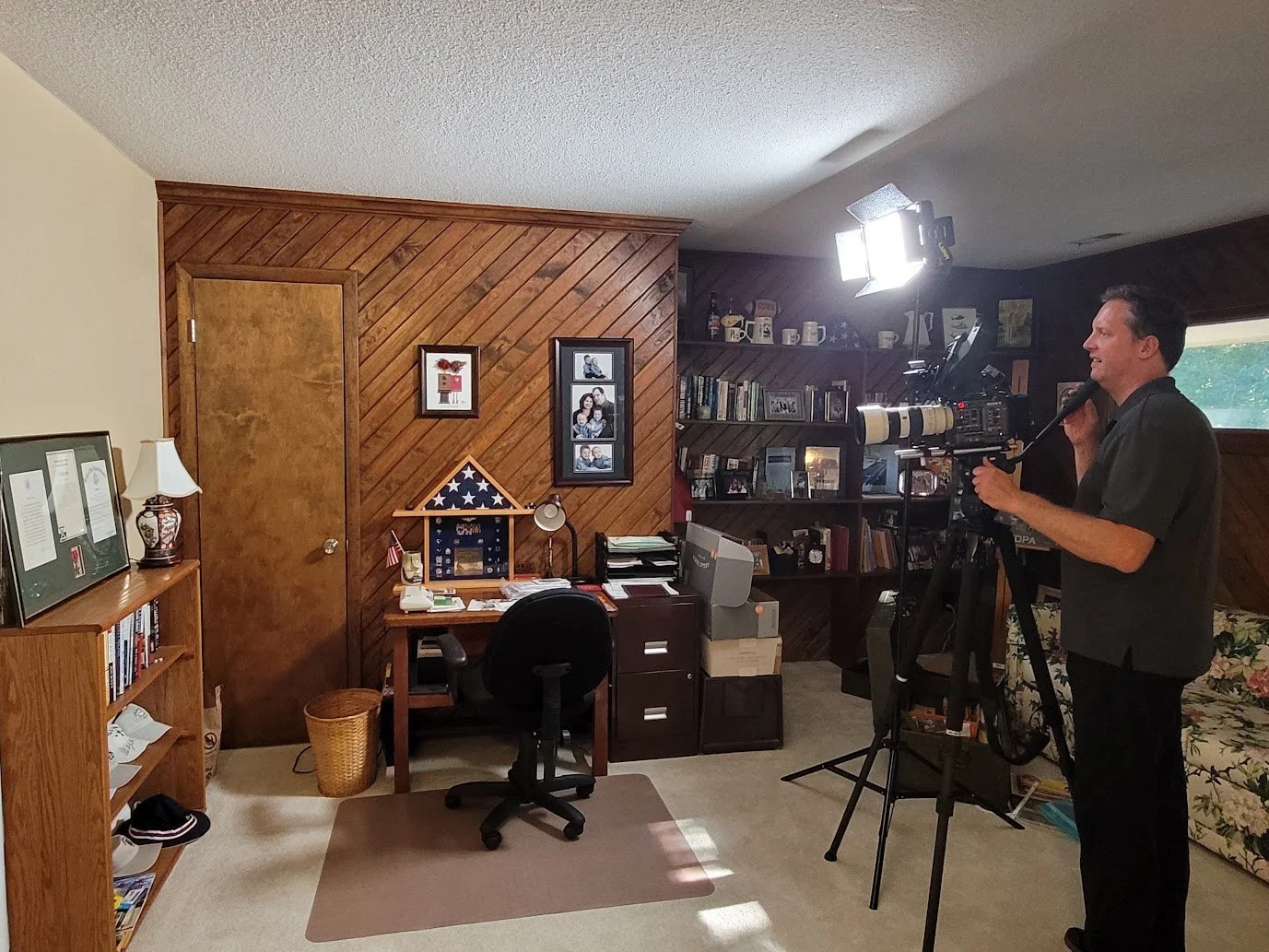
California, U.S., 2026
Geography
How often does research take you somewhere geographically unexpected?
We’ve linked people to parts of the world they had no idea they were connected to, which is always a thrill. In a recent example, we discovered that the Sicilian great-grandmother of an Italian American client had moved to Ukraine before settling in America. How different the family’s story could have been! Even in the past people could be much more mobile than we sometimes imagine. I can’t think of a single one of our projects that hasn’t involved multi-national research.
Do you ever take clients abroad as part of their project?
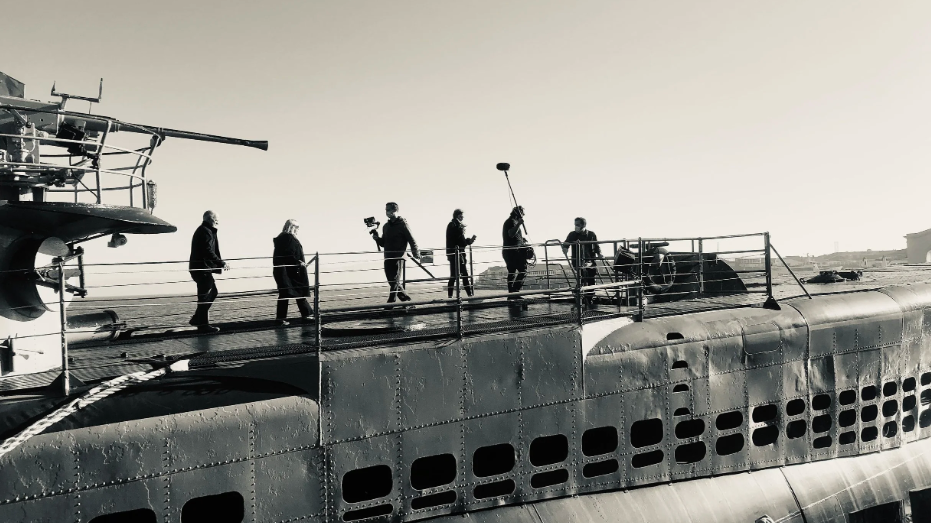
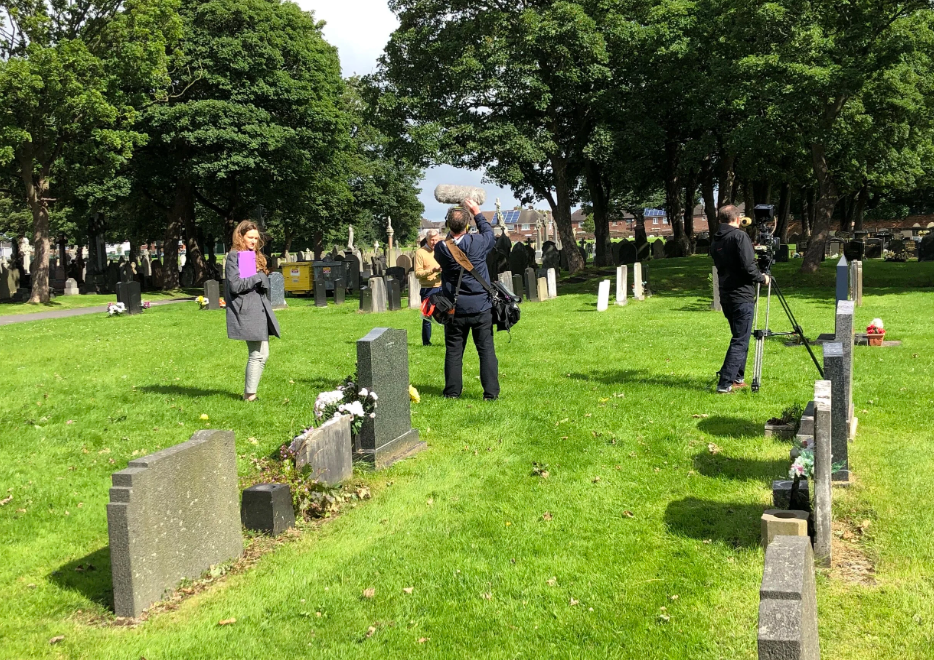
Often clients will opt to visit their ancestral homeland as part of an FHF project. We will curate the trip and take the client to significant locations in the family’s story; the neighborhoods, homes, workplaces and religious establishments that filled their lives. It’s an immensely rewarding and often very emotional experience. Following in the footsteps of an ancestor creates a truly deep connection.
What about excursions closer to home?
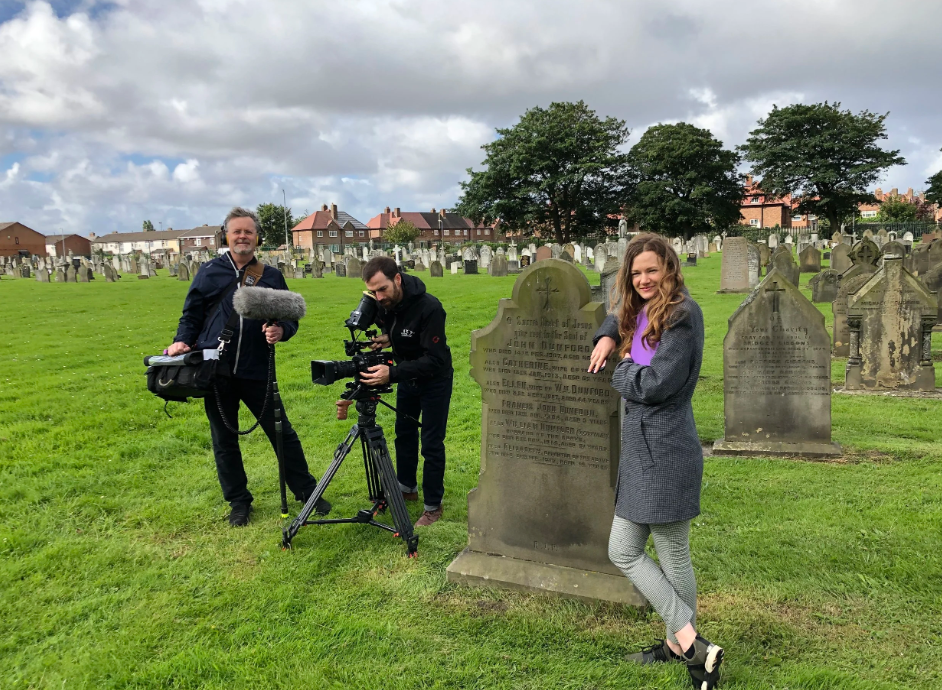
A trip down memory lane can be as emotional and revealing as an ancestral tour, often more so! We regularly take clients to significant locations in their own life story, from old schools and the neighborhood where they grew up, to the ice cream parlor that hosted a first date! These are really special excursions. The sights and sounds of an old haunt will often inspire memories that have lain dormant for years.
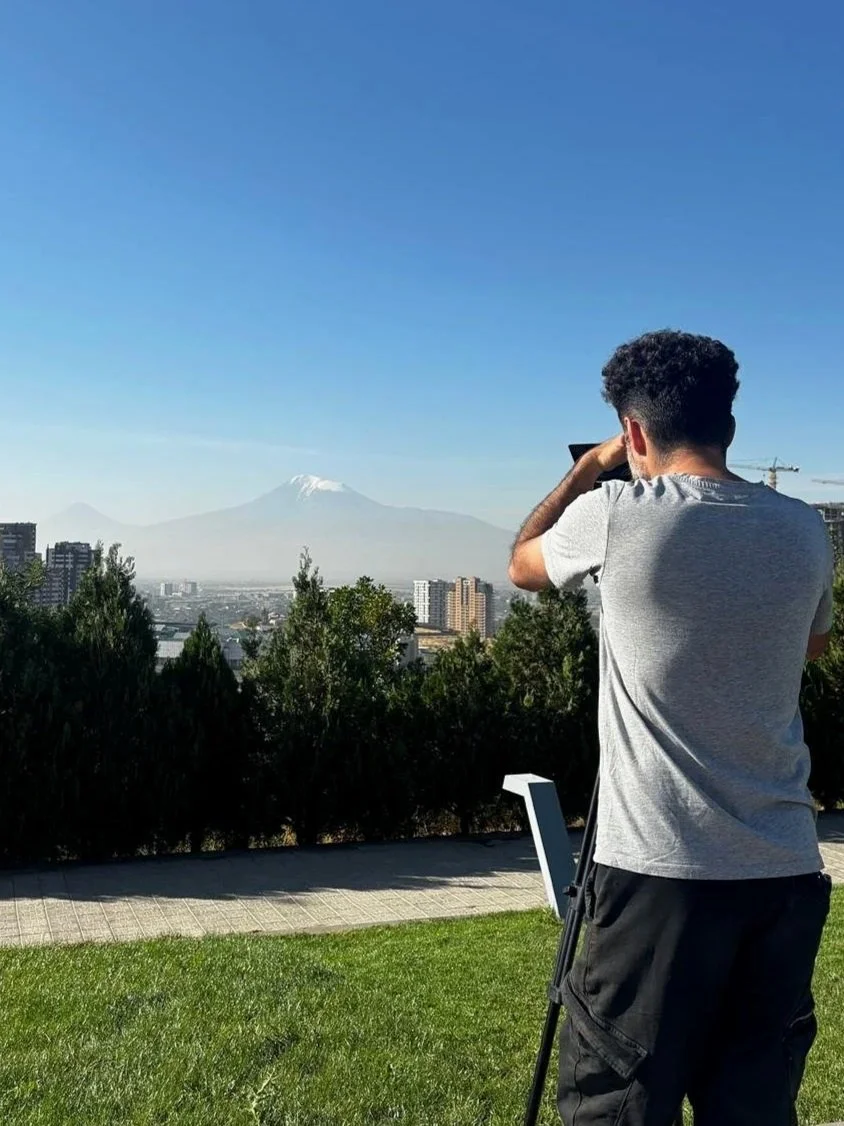
Armenia, 2026
Films v Books
Do certain discoveries lend themselves more naturally to one format?
The films, which focus on the key stories within the family’s recent and older history, are emotionally powerful but carefully refined in scope at around 90 minutes in runtime. The differences, therefore, mostly come down to depth and breadth. We are naturally able to include more detail in our books and they act as a comprehensive overview of the family’s story.
What is the trigger (or evolution process) when families have started with a film and then decide they want a book as well?
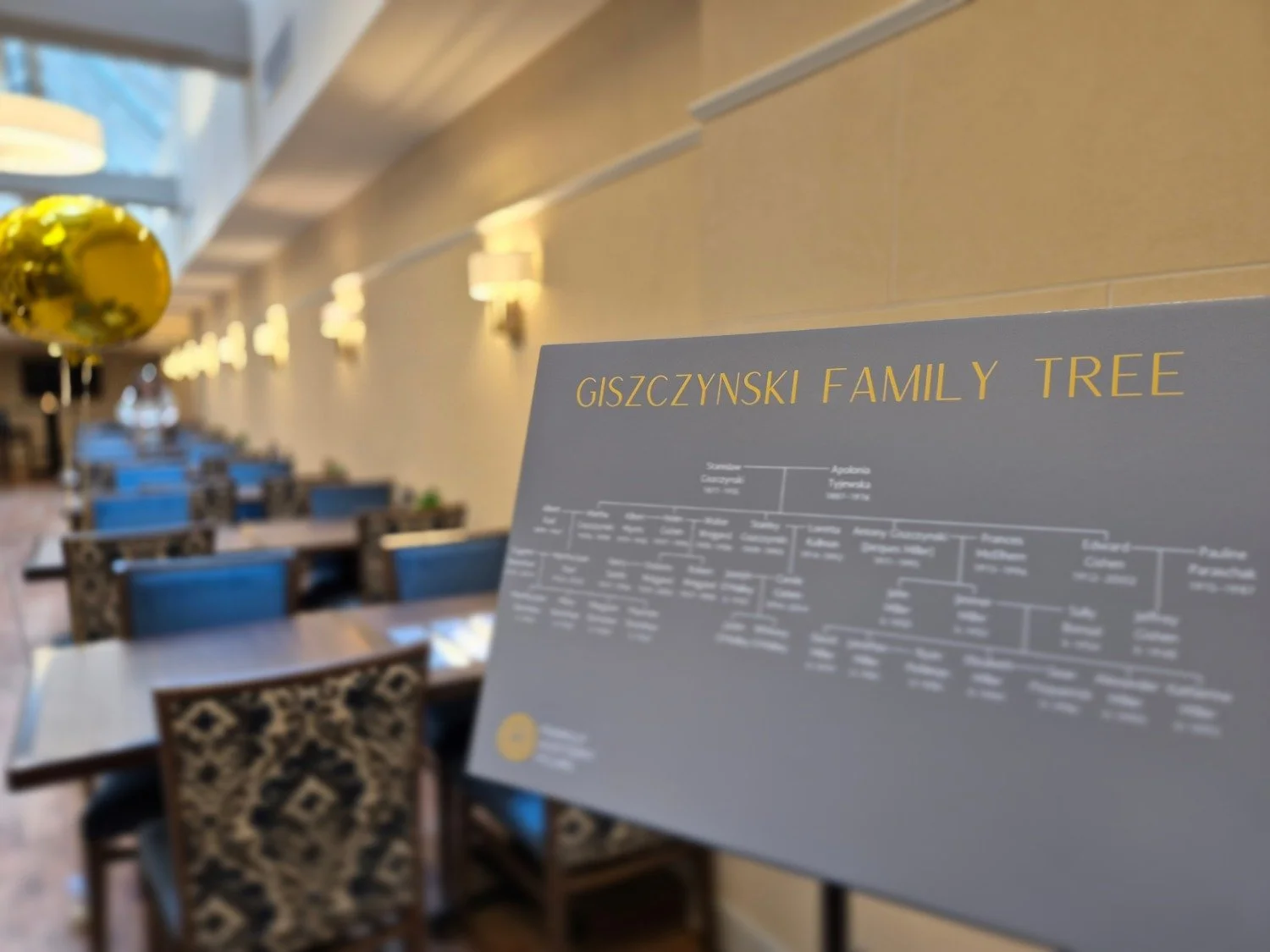
Our clients often embark upon a book project with a thought to how their legacy relates to the wider family. Our films tend to focus on the client’s immediate family and their story but the comprehensiveness of our books (with separate chapters for each branch of the family’s ancestry) make them applicable to a wider range of people.








How reliving the past can preserve it for the future.