
Storytelling: Humanity’s Oldest Inheritance
By Sue Tait, Business Support at FHF
Storytelling As Survival
When we pick up a novel we might be looking for a few hours of escapism, or perhaps the equivalent of a hot chocolate at bedtime. Skilled authors can transport us into a world of fascinating characters, new locations, experiences, ideas and eras.
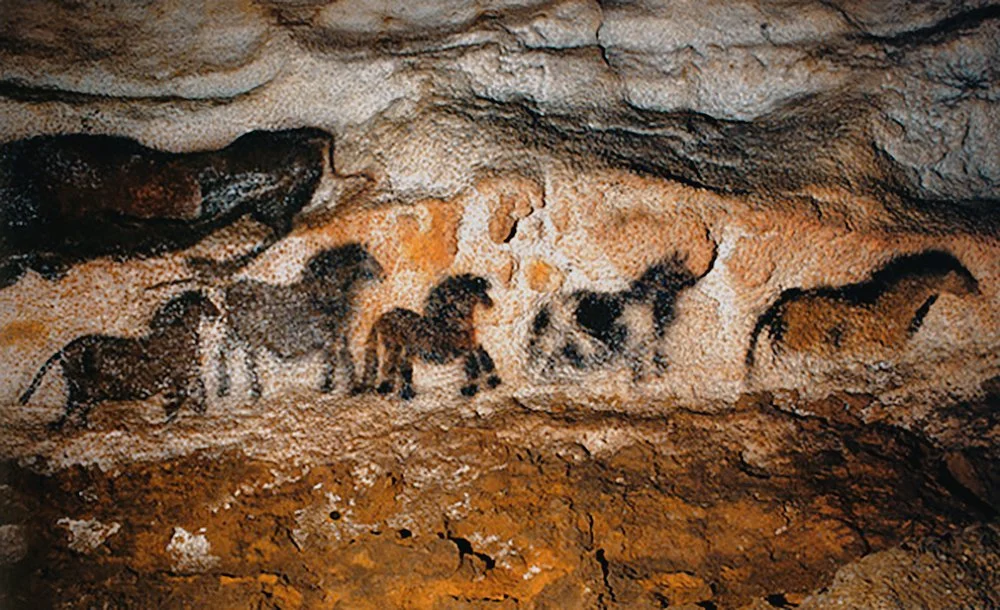
Yet storytelling is much older than the novel. Long before the written word, early humans developed art, music, dance and language to transmit vital knowledge — knowledge crucial to survival. Importantly, storytellers didn’t just recite lists of facts and dangers, they wove important information about threats, customs, culture and actual experiences into compelling narratives.
Neuroscientists call this ‘narrative transportation’, when a storyteller is able to engross listeners so they almost forget about their real world. Stories light up numerous areas of the brain — whereas a list of facts only stimulates the language centers. In fact, a cocktail of chemicals is released which increase empathy, deepen focus and memory. In this state we are much more open to the emotions and messages in a story and are more receptive to perspectives and opinions other than our own.
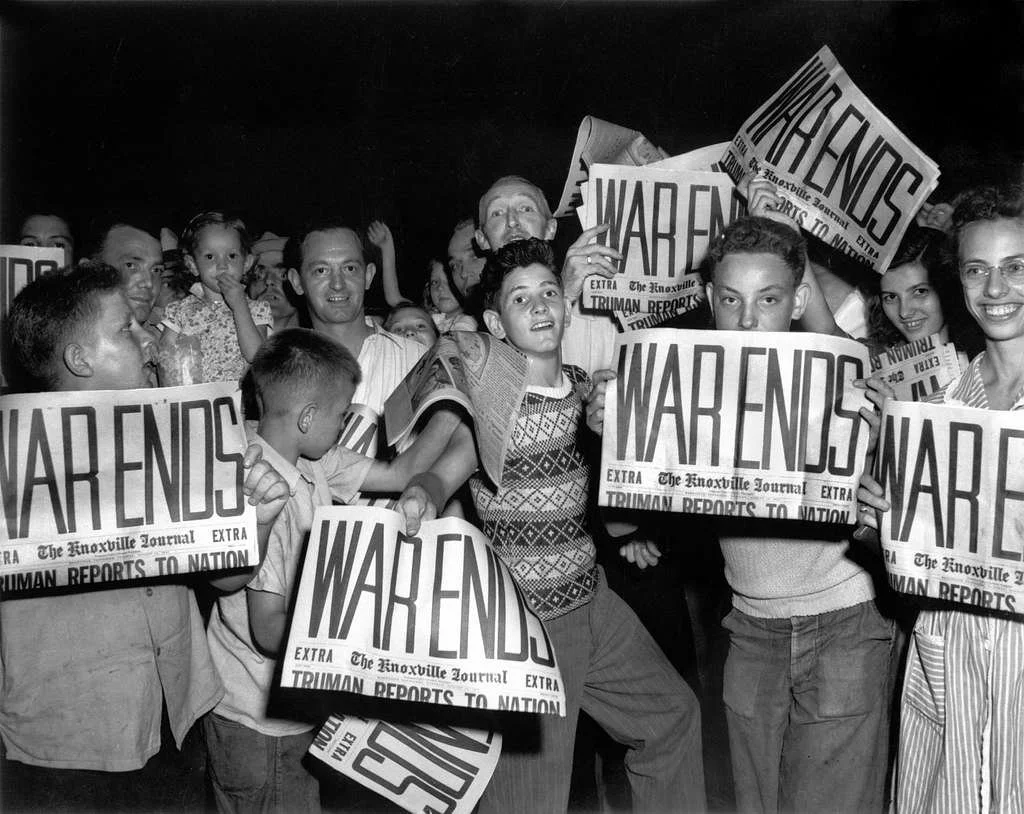
Storytellers have always known, instinctively, what must endure. As humans evolved, storytelling was the best way of embedding collective memory with facts that needed to be remembered — the trials and tribulations as well as the successes, values and beliefs — of a tribe, community or family into the imaginations of future generations. Today that means the difference between history that is confined to the past and history that becomes a part of a community’s or family’s identity.
From Memory to Identity
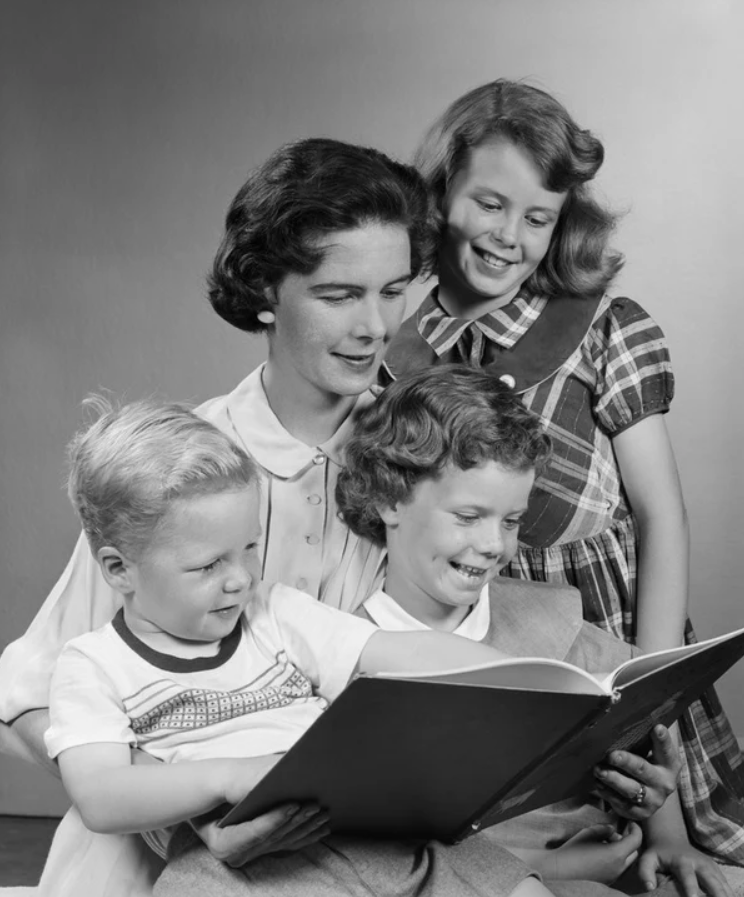
When well-crafted stories are told to illustrate, for example, a family history, younger generations are able to see their place in a story which began generations ago and continues today.
Psychologists refer to this process as ‘narrative identity’. Simply put, this is the creation of an internal autobiography which isn't just a record of what happened — it’s a personal interpretation that explains how your own history shaped your identity today and where you’re headed next — the way individuals construct a coherent sense of self by weaving together the past, the present and an imagined future.
Meaning is achieved by sharing stories. Without common narratives, even shared language can fail. Pop culture captures this truth with unexpected clarity. In the TV series Star Trek: The Next Generation episode “Darmok,” two societies struggle to communicate. One speaks only through shared myths and stories. Words can be translated accurately, but even then meaning remains inaccessible. It is only when a story is experienced together that understanding emerges.
The episode quietly illustrates what anthropologists have long observed: narrative and context is the foundation of shared meaning.
Storytelling in the Digital Age
Storytelling today is easier than it ever was. We have instant access to a worldwide audience. This has created a space for blogs, vlogs, fandom, TikTok, video games - the list is endless. Even film franchises have jumped on the bandwagon by creating multiple universes and telling us stories from supposed distant worlds.
We are all storytellers now. We all have the tools to create stories and even change stories with others so that they can be truly collaborative.
These new tools show us that our instinct for telling stories in order to understand ourselves and our place in history is as prevalent today as it was thousands of years ago. Storytelling remains humanity’s oldest inheritance. It entertains us but, more importantly, it cements memory and gives meaning to what we learn. It brings the past to life and enables every generation to be part of the longer arc of history and experience. However technologically advanced we become, the basic need to understand ourselves, one another and our forebears through narrative endures.
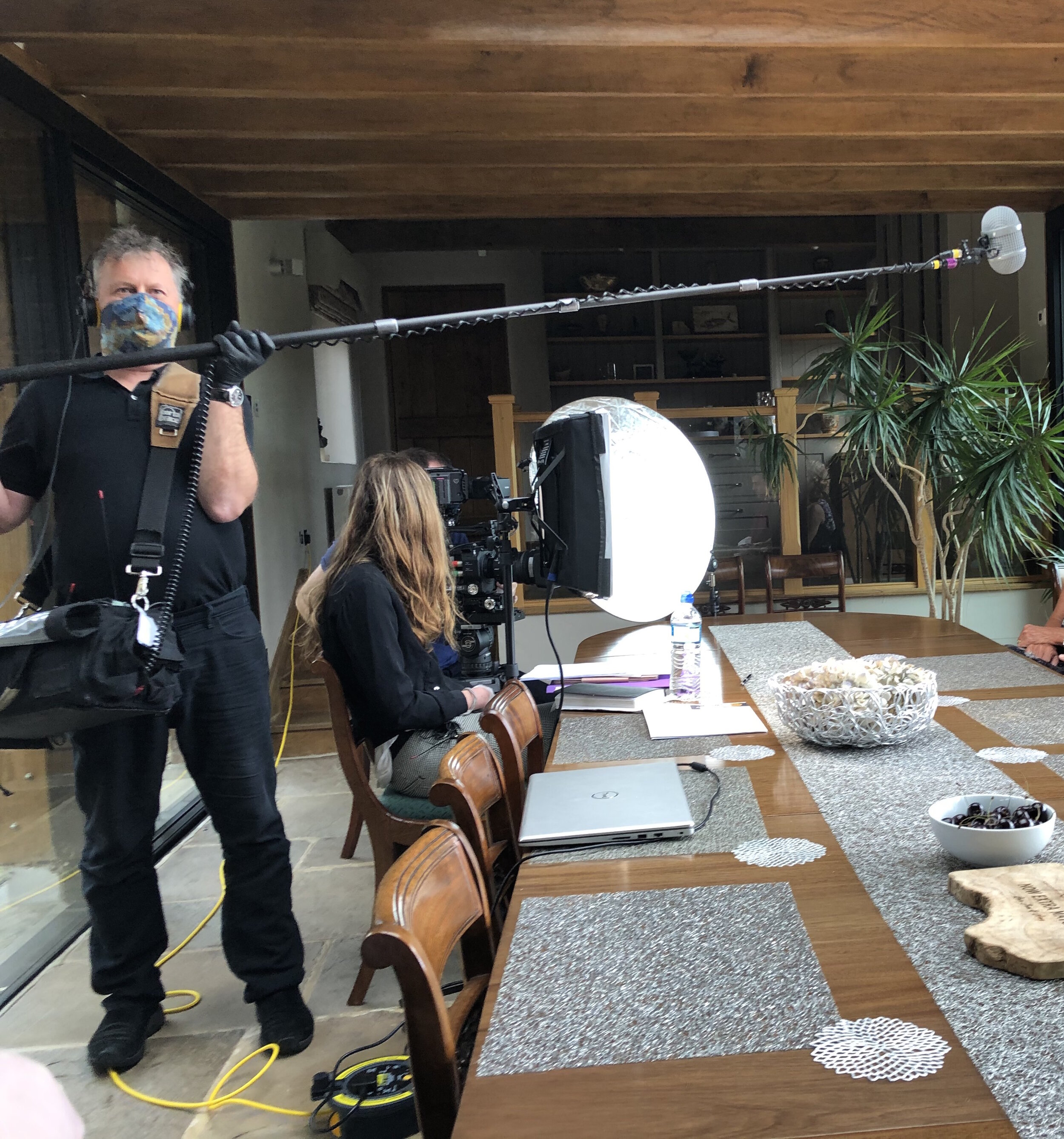
Stories shape our past and give it meaning, the past shapes our present and we re-shape our stories for those who come after us. At Family History Films we are proud to tell the stories of families past and present, in order to shape their future.






How reliving the past can preserve it for the future.